To build an ice hotel is to engage in an act of architectural grief. Every structure is designed knowing it will inevitably liquefy, melting back into the local rivers by spring. This ephemerality demands a unique design philosophy, one that embraces temporality and frozen artistry.
Snice and Structural Integrity
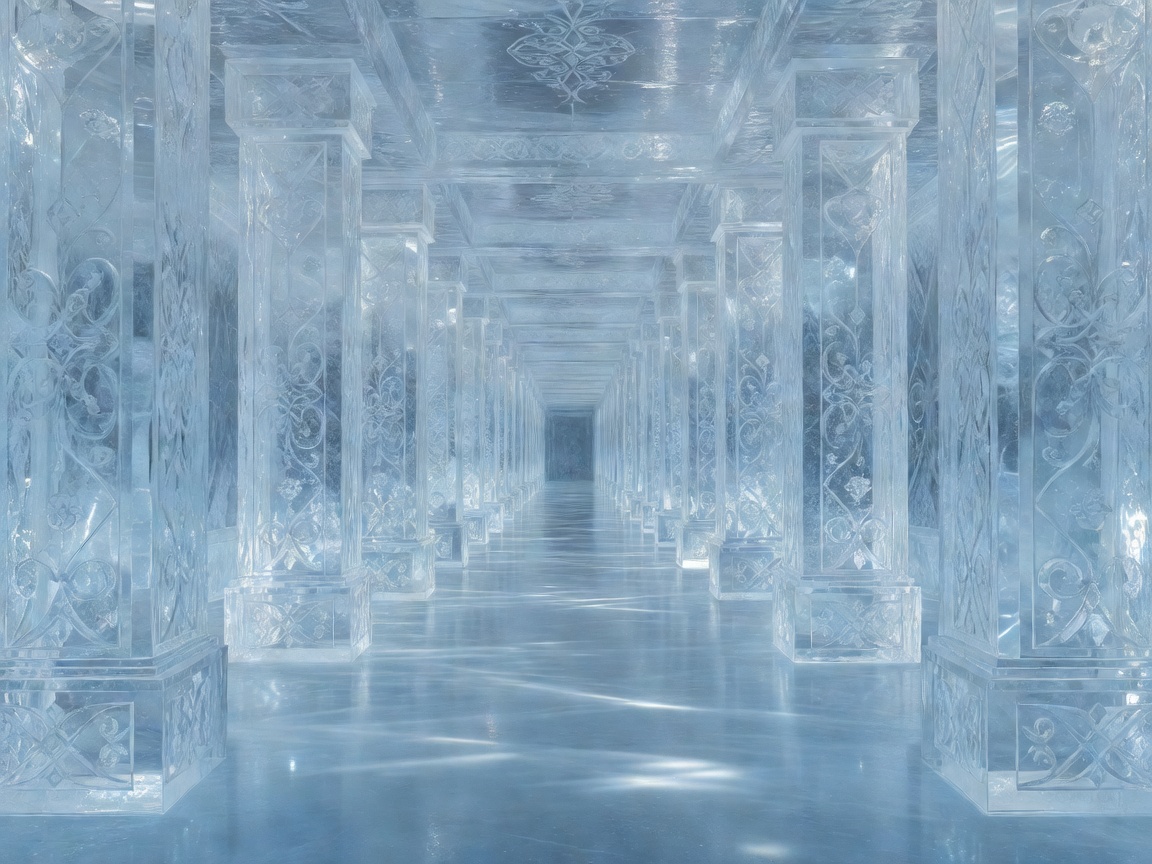
True ice palaces are rarely built purely from ice blocks. They rely heavily on 'snice'—a dense, structurally sound mixture of snow and ice. This composite material possesses the load-bearing capabilities required to create vast vaulted ceilings and intricate domes without the risk of collapse.
The interior ambient temperature of these structures hovers around -5°C (23°F), regardless of how deeply temperatures plummet outside. Snow is a superb insulator, trapping the ambient air and protecting occupants from severe arctic winds.
Sleeping in the Cold
The concept of paying a premium to sleep on a block of ice may seem contradictory to luxury. However, the curation of the experience transforms it. Guests at the Glacial Echo Room in Svalbard sleep atop reindeer hides and inside expedition-grade thermal sleeping bags rated for -30°C. The morning routine—waking up in absolute frigid silence to a cup of hot lingonberry juice delivered to your icy bedside—is a startling, vitalizing ritual.
Notable Ephemeral Stays
- Glacial Echo Room, Svalbard: Focuses heavily on acoustic isolation and pure ice clarity.
- The Frost Citadel, Iceland: Noted for its brutalist ice block construction and skylights framing the Aurora.
- Torne River Ice Suites, Sweden: Rebuilt annually by rotating artists, ensuring the architecture is entirely different year over year.